

Now Available (STT PRESS)
She’s Such a Liar:
Incest, Knowledge & Power
A MANIFESTO
A provocative feminist examination of how institutions, systems of knowledge, and structures of power shape what we understand about sexual violence—and how we respond to it.
For centuries, ideas about sexual violence have been constructed through cultural assumptions and institutional practices that determine what counts as evidence, whose testimony is considered credible, and whose knowledge is allowed to count.
Using the history of incest as a case study, Susan Osborn, Ph.D., reveals how medical, legal, psychological, and cultural institutions have defined the ways sexual violence is recognized and understood. In turn, these institutional forces have produced, legitimized, and suppressed evidence in ways that often obscure accountability, normalize disbelief, and silence survivors.
The questions Osborn raises extend far beyond incest: Who gets believed? What counts as evidence? Whose knowledge is treated as authoritative? And what happens when the institutions charged with responding to sexual violence become part of the problem?
By examining the relationship between knowledge and power, She’s Such a Liar asks why sexual violence remains so difficult to recognize, discuss, believe, and confront—and what history can teach us about changing that.
She’s Such a Liar offers a provocative, accessible feminist analysis of the systems that shape how sexual violence is understood—and a powerful invitation to rethink whose voices, experiences, and knowledge count.
Buy Now From These Fine Retailers





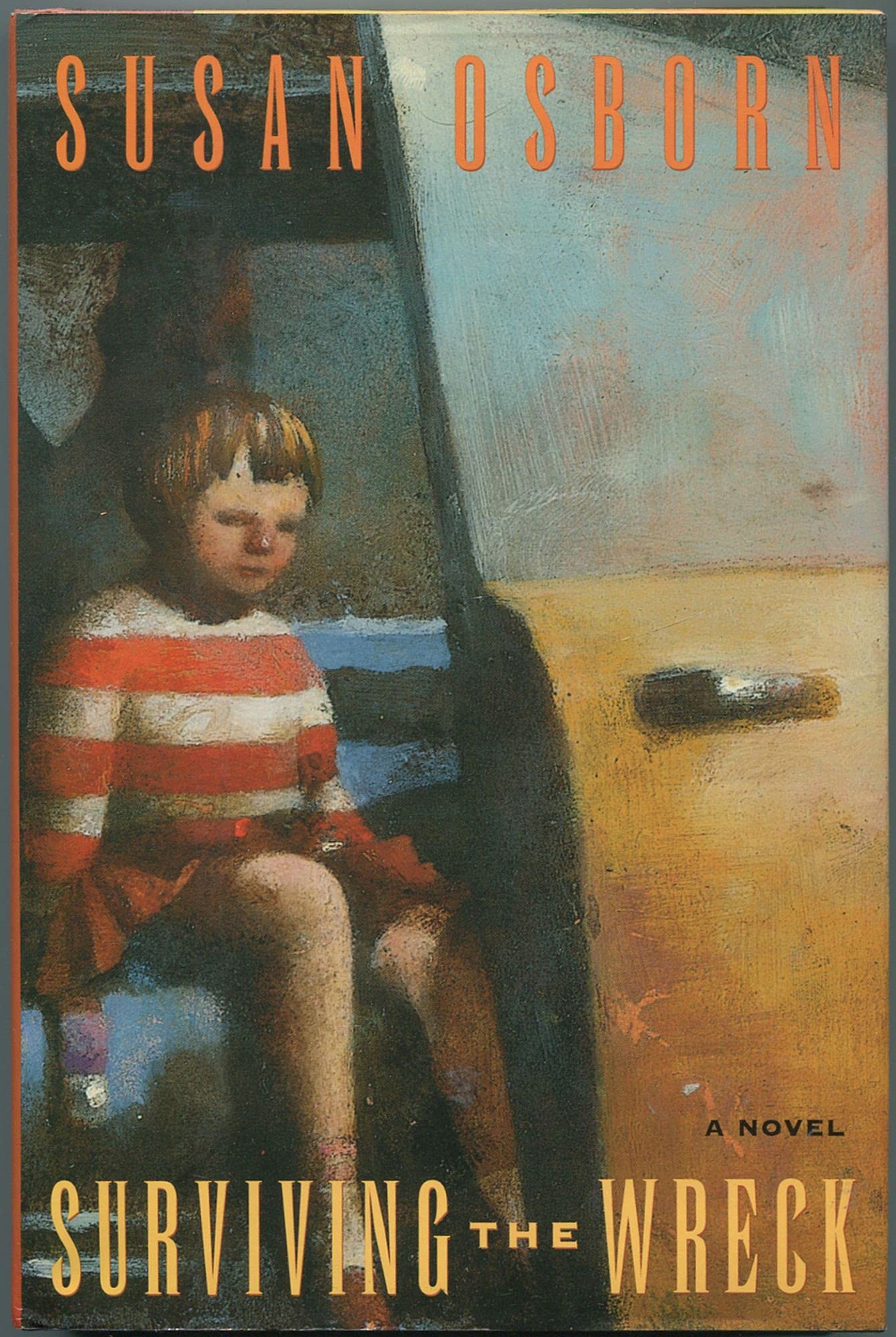
Surviving the Wreck
Interweaving truth and memory, this arresting and graceful novel plumbs the tangled relationships within one family. The narrator, a sensitive young woman, takes the reader on a rocky journey through her memory; her licentious father is a scoundrel who mocks his long-suffering wife and deviously pursues his daughter; her mother dotes extravagantly on her son, a self-absorbed intellectual who cannot bear her and longs for his father’s attention and love. Throughout, family tensions are subtly, forcefully registered. The story’s emotional range signals a fictional imagination readers will not soon forget.
Excerpt from the book:
I am running toward my mother. She is standing at the door of our cottage in Connemara. I can see here, even though we are still a hundred miles apart. A horse appears, white, gallant, and keen, and I jump on its back and we race across the Moorish cliffs and down the ferny glens, leaping across the gullies as if my horse were Pegasus. We look like a great white blur, my horse and I, as we get closer to my mother, thistles and thorns scratch at my face, but they do not hurt; there is no blood. I am riding too fast, yet as long as I keep her in my sight, I feel utterly, absolutely protected.
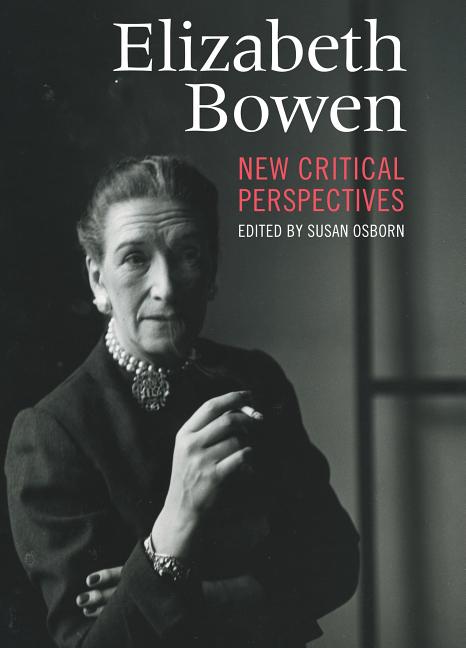
Elizabeth Bowen: New Critical Perspectives
This collection of insightful and illuminating essays expounds the dynamics of Bowen’s fiction’s originality and value. Specifically, the volume focuses on previously ignored tensions and pressures in Bowen’s style and addresses two signature but overlooked characteristics of her art: her intimidating and often dismissed artistic, linguistic, and substantive difficultness and her aesthetic moral and cognitive complexity and distinctiveness. By so doing, Osborn cultivates compelling new ways of thinking about Bowen’s work’s ingenuity and creativity next to a range of contemporary concerns such as the relationships among literary representations of gender, sexuality, and ethnicity; modernism, sensationalism, and realism; and ongoing debates about trauma and identity. Osborn is also the editor of the first scholarly journal entirely devoted to Bowen’s work.

Under Revision
My Mother’s Shoes
When she was two, the author’s mother was struck down by polio. Marjorie survived, but her left leg was severely withered and partially paralyzed.
For her status-conscious family, this was a calamity. Her socialite mother refused to be seen with her. Her father, a well-established physician, tried to conceal her deformity by teaching her how to walk on the toes of her crippled left foot and flat on her right; she walked one foot up and the other down for the rest of her life.
In this profoundly moving account, the author turns her discerning eye inward and, in vivid and supple prose, explores the ways Marjorie’s deformity disfigured their relationship, distorted the author’s own body image, and affected her ability to love herself.